
REPORTAGE
How Technology Is Changing Modern Dolls
Nov

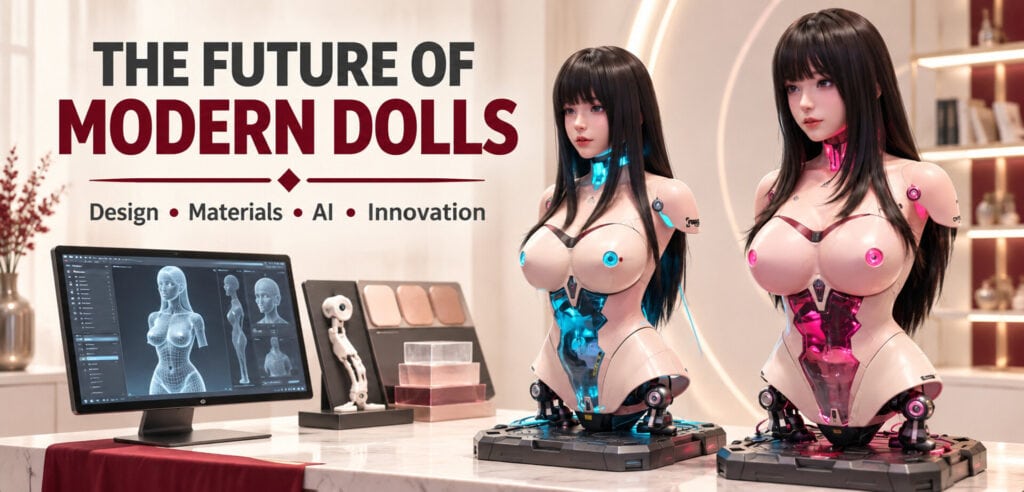
Technology is changing modern realistic dolls in several important ways. Improvements in digital sculpting, material development, internal skeleton design, manufacturing processes, and emerging artificial intelligence features are expanding what manufacturers can create.
Modern dolls are no longer defined only by their external appearance. Buyers may also consider body proportions, posing ability, material quality, customization, and, in some products, interactive features.
Digital design tools can help manufacturers refine facial details and body shapes before physical production. New material formulations and finishing techniques can improve surface appearance, while more carefully engineered skeleton systems can support natural-looking poses.
Artificial intelligence introduces another area of development. Some connected products can incorporate conversational software, voice interaction, or other electronic features, although capabilities vary significantly between manufacturers.
These technologies do not all serve the same purpose. Some improve physical realism, while others focus on interaction or manufacturing efficiency.
Understanding the differences helps buyers separate practical product improvements from marketing claims.
This article explores how technology is changing modern dolls and what these developments may mean for future designs.
Quick Answer
Technology is changing modern dolls through digital sculpting, improved silicone and TPE materials, more advanced skeleton engineering, manufacturing automation, and emerging AI-powered interaction. These developments can improve appearance, customization, posing, and selected interactive features, but actual capabilities vary by product and manufacturer.
Key Takeaways
- Digital design tools help refine facial and body sculpting.
- Material development can improve realistic appearance and finishing.
- Advanced skeleton engineering supports more natural posing.
- Modern manufacturing can improve production consistency.
- Some AI-enabled products offer voice or conversational interaction.
- AI features do not automatically make a doll more realistic or higher quality.
- Buyers should verify actual specifications rather than relying on futuristic marketing claims.

Digital Sculpting Is Improving Realistic Doll Design
Digital sculpting and computer-aided design have changed how manufacturers can develop and refine doll designs.
Traditional sculpting methods remain important, but digital tools allow designers to adjust facial contours, body proportions, and surface details before creating physical molds.
A digital model can be examined from multiple angles, making it easier to identify inconsistencies in the overall design.
For example, designers can refine eye spacing, cheek contours, lip shape, jawlines, and facial symmetry without repeatedly rebuilding an entire physical prototype.
Digital workflows can also support body proportion adjustments, allowing manufacturers to explore different adult body types and silhouettes.
From Digital Models to Physical Production
A digital design is not the finished product.
Manufacturers still need to convert the design into suitable molds and physical components.
Depending on the production method, digital files may support prototype creation, mold development, or other manufacturing stages.
The final quality still depends on material selection, mold accuracy, casting or molding methods, and finishing work.
Digital technology can make design refinement more flexible, but it does not eliminate the need for skilled craftsmanship.
This combination of digital tools and physical finishing is one reason modern realistic doll designs can include increasingly detailed features.

Advanced Materials and Skeleton Engineering
Material development and internal construction are also influencing modern realistic doll design.
Silicone and thermoplastic elastomer (TPE) remain widely used materials in this product category.
Different formulations can affect softness, elasticity, surface appearance, and maintenance requirements.
Modern manufacturing techniques can also support more refined surface finishing and consistent pigmentation.
However, no material automatically guarantees superior realism or durability.
The final result depends on formulation, product design, manufacturing quality, and proper care.
Skeleton Engineering and Natural Posing
Internal skeleton systems help determine how a doll can be positioned.
Articulated joints may allow movement at the shoulders, elbows, wrists, hips, and knees, depending on the model.
More carefully engineered skeletons can support smoother positioning and more stable poses.
This can be useful for photography, display, and practical handling.
However, flexibility has limits. Not every doll can stand independently, and not every skeleton supports the same range of motion.
Buyers should review manufacturer specifications and avoid forcing joints beyond their intended limits.
For a more detailed explanation of internal construction and posing, see our sex doll skeleton joint guide.
Buyers interested in lifelike appearance and modern materials can also explore our realistic sex dolls collection to compare available designs and product specifications.

AI Technology Is Introducing New Interactive Features
Artificial intelligence is introducing a different type of innovation into the realistic doll industry.
Unlike material improvements or skeleton engineering, AI technology primarily affects interaction rather than physical appearance.
Some AI-enabled companion products may incorporate conversational software, speech recognition, voice responses, or connected applications.
Depending on the system, users may be able to interact through spoken or typed conversations.
However, AI capabilities vary widely.
Some products use relatively simple prerecorded responses or limited command systems, while others may connect to more advanced conversational software.
These differences are important because the term “AI doll” does not describe one standardized level of technology.
AI Interaction Is Not the Same as Physical Robotics
A conversational AI feature does not automatically mean that a doll can walk, move its arms independently, recognize every person, or perform complex physical actions.
Physical robotics requires additional hardware, including motors, sensors, control systems, and power management.
Many products marketed with AI features do not include advanced autonomous movement.
Buyers should distinguish between conversational software, electronic features, and actual robotic movement.
They should also check whether an AI feature requires an internet connection, subscription, external application, or ongoing software support.
For a more detailed comparison of these product categories, read our AI sex doll vs traditional doll guide.

Manufacturing Technology Is Expanding Customization
Manufacturing technology is also influencing the range of customization options available in modern dolls.
Digital design workflows, mold development, and more organized production processes can help manufacturers create different product variations.
Depending on the manufacturer, buyers may be able to choose adult facial designs, body types, skin tones, hairstyles, eye colors, and selected material or skeleton options.
Some of these choices affect appearance, while others influence functionality or handling.
Customization can make a product more closely match individual preferences, but not every option is compatible with every model.
Technology Does Not Eliminate Production Limits
Even with modern design tools, customization still requires manufacturing resources, quality control, and suitable materials.
Certain combinations may require additional molds, production steps, or finishing work.
This can affect cost and delivery time.
Buyers should verify which options are available for the exact model they are considering.
They should also distinguish between changes that are purely cosmetic and upgrades that affect physical performance.
For buyers comparing overall quality, customization, and practical value, our best sex dolls guide offers another starting point.

Final Thoughts
Technology is changing modern dolls through improvements in digital design, material development, skeleton engineering, manufacturing processes, and emerging AI interaction.
These developments serve different purposes.
Digital sculpting and manufacturing techniques can improve design refinement and production flexibility. Materials and skeleton engineering influence appearance, posing, and practical handling. AI software may introduce new forms of interaction in selected products.
However, technology should be evaluated through actual product capabilities rather than marketing terminology.
A doll with AI features is not automatically more realistic, and a premium material does not guarantee superior craftsmanship.
Buyers should compare specifications, photographs, maintenance requirements, software dependencies, and manufacturer support before making a decision.
The future of modern dolls may involve more refined physical design and increasingly sophisticated interactive systems, but the most useful innovations will be those that provide clear, reliable benefits to users.
Explore Modern Doll Designs and Features
Modern dolls combine different materials, realistic sculpting, skeleton systems, and customization options. Explore our selected models to compare practical features, design quality, and available choices. Find a doll that matches your preferences for realism, craftsmanship, and everyday usability.
Frequently Asked Questions
How is technology changing modern sex dolls?
Technology is changing modern sex dolls through improvements in digital sculpting, material development, skeleton engineering, manufacturing processes, and emerging AI-powered features. Digital design tools can help manufacturers refine facial details and body proportions before production. Modern material formulations and finishing methods can improve appearance, while articulated skeleton systems support different posing options. Some AI-enabled products also offer conversational or voice interaction. However, these technologies vary by manufacturer, and not every modern doll includes advanced electronics or artificial intelligence.
What role does 3D design play in modern doll manufacturing?
3D design and digital sculpting allow manufacturers to develop and refine facial features, body proportions, and surface details using computer-based models. Designers can examine a model from multiple angles, make adjustments, and prepare digital references for prototype or mold development. These tools may improve design flexibility and help identify inconsistencies before physical production. However, digital design does not replace skilled manufacturing. The final product still depends on mold quality, material formulation, finishing techniques, and quality control.
Do modern sex dolls use artificial intelligence?
Some modern companion products incorporate artificial intelligence or connected conversational software, but many realistic sex dolls do not contain AI technology. AI-enabled features may include voice interaction, speech recognition, or conversational responses, depending on the product. These systems can vary considerably in capability and may require an internet connection, application, subscription, or external device. Buyers should check the exact product specifications rather than assuming that every doll advertised as modern or intelligent includes advanced AI functionality.
Can AI sex dolls move or walk independently?
AI conversation features do not automatically give a doll the ability to move or walk independently. Physical movement requires additional robotic components, such as motors, sensors, control systems, and a power source. Some experimental robotic companion systems may demonstrate limited movement, but many commercially marketed AI-enabled dolls primarily focus on conversational or electronic interaction. Buyers should distinguish between software-based AI features and actual robotic movement, and should verify any claimed physical capabilities before purchasing.
Has technology improved the realism of modern sex dolls?
Technology can improve realism through more detailed digital sculpting, refined material formulations, better surface finishing, and improved internal construction. These developments may help manufacturers create more natural-looking facial features, body proportions, and poses. However, realism depends on the complete product design rather than one technology alone. A doll with sophisticated electronics may not look more lifelike than a traditional model with excellent sculpting and craftsmanship. Buyers should compare actual product photographs, materials, and specifications.
What should buyers consider when choosing a modern or AI-enabled doll?
Buyers should consider physical realism, material quality, body weight, skeleton design, maintenance requirements, customization options, and any electronic features. For AI-enabled products, it is also important to review connectivity requirements, software support, subscription costs, privacy policies, and whether features depend on external services. Product photographs and specifications should be checked carefully because advertised capabilities may differ between models. The best choice is a product that offers useful, verifiable features and fits the buyer’s expectations, budget, and practical needs.

Alice
Lead Product Specialist & Collector Consultant
At Linkooer
Alice began her journey with these unique artistic creations in 2019. Starting on the front lines of collector services, she quickly distinguished herself through a deep understanding of the craft and an even deeper connection with the community. Today, she is Linkooer's most trusted voice, dedicated to helping enthusiasts of all levels find the piece that truly speaks to them.
